In industrial projects, problems rarely arise suddenly. In most cases, they are the result of decisions made much earlier – during planning, budgeting and team formation.
For companies, this means the risk of delays and additional costs.
For welders and fitters, it often results in increased pressure, tension and unnecessary conflicts.
Many of these challenges can be reduced before the first component reaches the workshop or the construction site.
Underestimating the scope of work
One of the most common issues is overly optimistic planning. A project is defined with a specific timeframe and allocated resources, yet the actual workload turns out to be greater.
The consequences are predictable:
- overtime,
- time pressure,
- reduced working comfort,
- tension within the team.
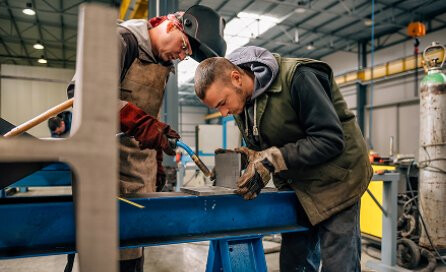
At the team selection stage, this means considering not only the number of workers but also their actual project experience. A team composed entirely of individuals without prior installation or project-based experience may require more time to adapt.
Mismatch between experience and project requirements
Not every industrial project looks the same. Working conditions vary significantly between:
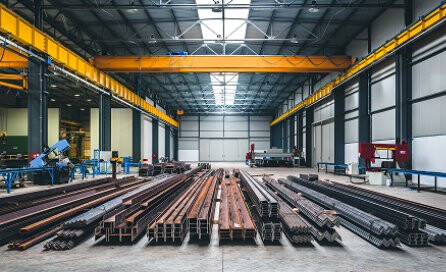
- prefabrication in a workshop,
- on-site installation work,
- infrastructure projects,
- environments with heightened safety requirements.
Problems arise when a worker’s previous experience does not match the specific nature of the project. This does not indicate a lack of skills, but rather a difference in working environment.
Therefore, when selecting a team, it is essential to look beyond certifications and ask under what conditions previous work was performed.
Rotation and lack of team continuity
In international projects, especially those operating on rotation systems, personnel changes are common. The challenge begins when rotation becomes too frequent or poorly planned.
Each change in the team involves:
- time needed for onboarding,
- the need to rebuild team coordination,
- a higher risk of communication errors.
A well-considered team selection process takes into account not only technical competencies but also stability and readiness to work within a specific system – whether rotational or long-term.
Communication in international teams
Projects in Germany or Norway are often carried out by multinational teams. Language and cultural differences are not a problem in themselves, but they require awareness.
Lack of clear communication may lead to:
- misinterpretation of drawings and documentation,
- installation errors,
- tension within the team.
For this reason, companies increasingly assess not only technical abilities but also the ability to work effectively in an international environment.
Time pressure, quality and safety
Industrial projects typically operate under strict deadlines and high quality standards. When a team is not properly matched to the project requirements, the risk of working under excessive pressure increases.
For companies, this may result in:
- rework,
- additional costs,
- challenges during final inspections.
For workers, it can lead to frustration and additional workload.
Selecting the right team means combining experience, work pace and quality awareness.
How to prevent problems at the team selection stage
A realistic assessment of the project is crucial. This includes:
- an honest analysis of the actual scope of work,
- aligning experience with the working environment,
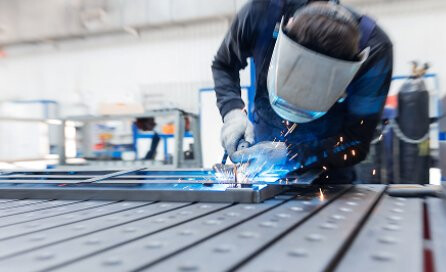
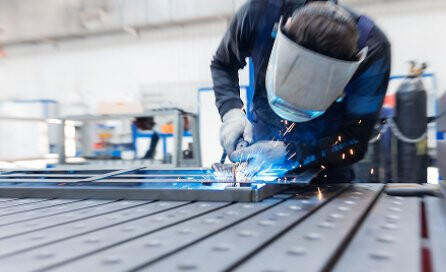
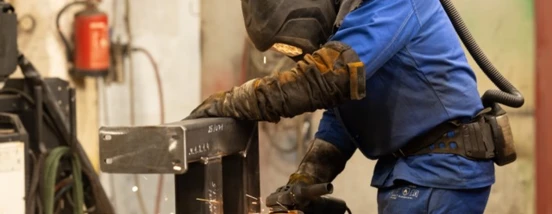
- practical verification of skills (for example, welding tests),
- clearly defining the working model (rotation, project duration),
- transparent cooperation terms.
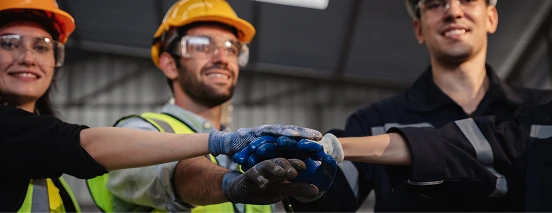
Team selection is not merely an administrative step. In practice, it is the first element of project risk management.
Summary
Most challenges in industrial projects do not stem from a lack of competence, but from a mismatch between project requirements and team composition.
A consciously built team reduces:
- delays,
- excessive turnover,
- tension,
- unnecessary costs.
For companies, this means greater predictability in project execution.
For welders and fitters, it means more stable working conditions and less unnecessary pressure.